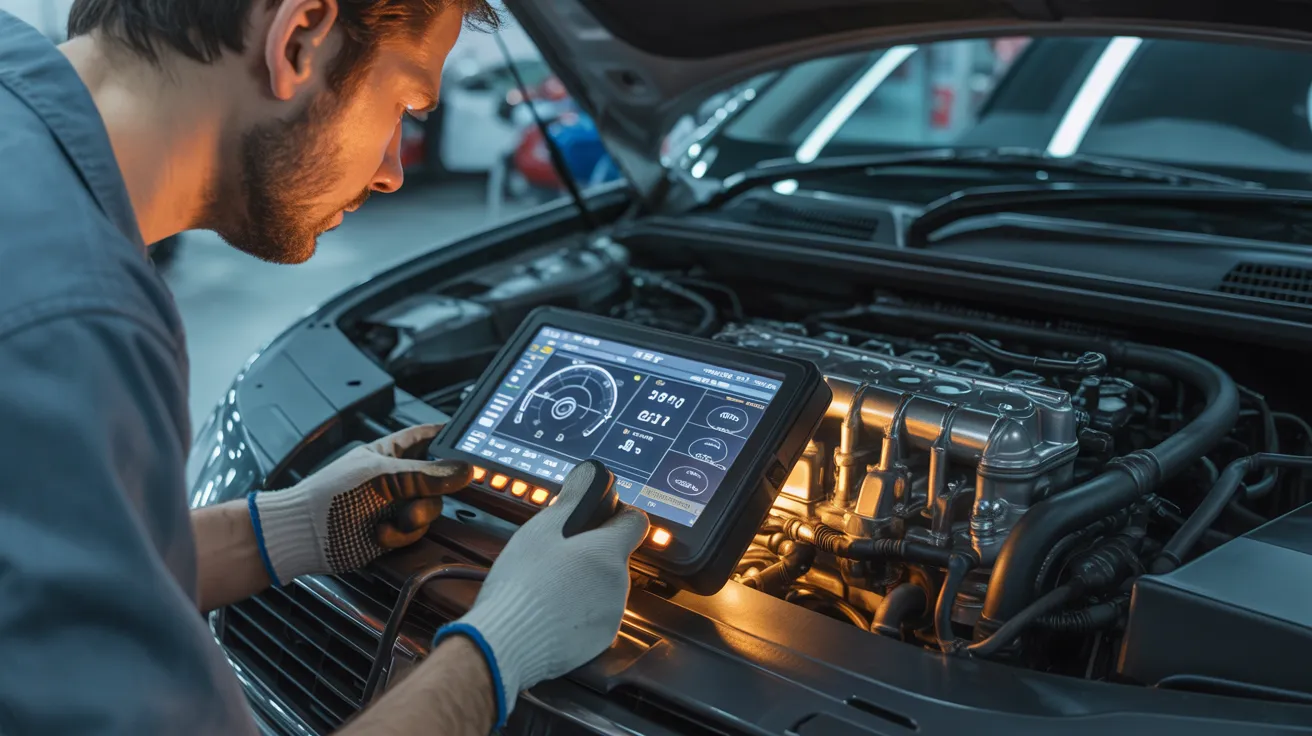
You can trust a Plainfield auto repair shop that uses OEM-grade scan tools, follows OEM procedures, and documents faults with readings, photos, and clear test results. Verify technicians hold ASE certifications, explain warning lights and root causes thoroughly, and offer written estimates before work is initiated. Prioritize shops that inspect brakes, tires, steering, suspension, cooling, and charging systems, especially after leaks, vibrations, or alerts. A few key checks will reveal which shop earns your confidence.
Main Takeaways
- Plainfield auto repair shops should be chosen when they have ASE-certified technicians, current state licensing, and thorough inspections using scan data, diagnostic results, and photos.
- Prioritize mechanics who utilize OEM-grade diagnostic tools and manufacturer procedures to verify root causes and avoid unnecessary parts replacement.
- Ask for written estimates, clear authorization steps, realistic timelines, and warranty terms before approving any repair work.
- Prioritize safety-critical issues first, including brakes, tires, steering, suspension, warning lights, leaks, vibrations, and strange noises.
- Routine inspections need to be arranged before long trips, after extreme weather, or when performance, braking, handling, or fluid conditions markedly change.
Spotting a Trusted Plainfield Mechanic
Initiate your Plainfield mechanic choice by verifying the shop's credentials, assessment process, and interaction standards.
Validate ASE certifications, state licensing, and whether technicians record results with scan data, readings, and photos.
Look for shops that supply written estimates, clear consent supporting information protocols, and realistic completion timelines before work starts.
Certified inspections should utilize manufacturer procedures rather than guesswork.
You ought to anticipate accurate explanations of fault codes, root causes, and advised actions.
Examining customer testimonials enables you judge consistency, transparency, and follow-through, especially when reviews note accurate diagnostics and honest updates.
A reliable mechanic also operates an organized facility, uses calibrated equipment, and explains warranty terms in writing.
If a shop avoids specifics, pressures you, or changes pricing without approval, depart quickly.
Only trust shops that document everything thoroughly.
What Auto Repair Services Are Critical Most?
Prioritize maintenance services that directly influence safety, drivability, and extended operating cost. You should focus first on brakes, tires, steering, and suspension because these systems manage stopping distance, traction, and vehicle stability. Suspension alignment is important because improper angles speed up tire wear, lower fuel economy, and impair handling under braking or cornering.
Next, address engine diagnostics and transmission performance. Accurate engine diagnostics find misfires, sensor faults, fuel-delivery problems, and emissions issues before they turn into catalytic converter or internal engine damage. You should also focus on cooling system service, battery and charging checks, and fluid inspections. Overheating, voltage irregularities, and contaminated fluids can cause expensive failures quickly. Finally, never ignore warning lights, unusual noises, vibrations, or leaks. Early maintenance service usually costs less and maintains reliability, efficiency, and safety.
Methods to Assess Plainfield Vehicle Repair Shops
When choosing a Plainfield auto repair provider, you should review each business on diagnostic ability, repair technician qualifications, protection provisions, and service protocols. Verify the center uses manufacturer-grade diagnostic tools, current service information, and established diagnostic methods instead of guessing. Inquire whether mechanics hold ASE certifications and participate in ongoing training for current-generation systems, hybrid systems, and ADAS systems.
Then assess how the shop explains findings, quotes labor, and approves further work. You should receive clear inspection outcomes, parts specifications, and honest turnaround estimates. Review customer reviews for patterns involving precision, professionalism, and after-service support not isolated compliments or complaints. Finally, evaluate warranty options carefully. Strong shops define coverage term, covered parts, labor compensation, and claim procedures in writing, so you see exactly what warranty you're getting before agreeing to repairs.
When Ought You Schedule Car Repair?
After comparing Plainfield auto repair shops, the following step is knowing when to arrange service.
You should schedule auto repair whenever your vehicle demonstrates measurable changes in performance, handling, braking, starting, or fluid condition.
Warning lights, vibration, unusual noises, hard shifts, overheating, and constant odors indicate systems that demand prompt evaluation.
You should also schedule regular inspections at manufacturer-recommended mileage intervals, before lengthy trips, after severe weather exposure, and when seasonal temperature changes impact batteries, tires, or cooling systems.
If your car pulls, idles roughly, leaks, stalls, or loses fuel efficiency, don't hesitate for the issue to escalate.
Seek immediate diagnostics promptly after dashboard alerts, collision impact, rapid power loss, smoke, or brake abnormalities.
Timely service helps you sustain safety, reliability, drivability, and adherence with service schedules.
How Plainfield Mechanics Lower You Money
A certified Plainfield mechanic will often allow you to decrease your total vehicle costs by providing accurate diagnostics, scheduled maintenance, and quick repairs. Technicians who check faults with scan tools, pressure testing, and manufacturer procedures help you skip guesswork, unnecessary parts replacement, and return visits. Diagnostic accuracy helps identify the true cause, whether it's a sensor failure, charging issue, or drivability problem.
Preserve expensive systems before wear becomes failure with preventive maintenance. You decrease breakdown risk and lengthen component life when you keep on schedule for fluid exchanges, brake inspections, belt replacement, and tire service. Developing problems get found quickly by skilled mechanics, including leaks, uneven tire wear, and battery weakness. That means you can arrange smaller repairs now instead of paying for major damage, towing, lost time, and emergency service later.
FAQ
Do Plainfield Mechanics Provide Shuttle Service or Loaner Cars?
Yes, a number of Plainfield mechanics provide customer shuttles, and certain additionally provide loaner cars throughout your vehicle's repair. Make sure to check availability, reservation limits, travel restrictions, insurance criteria, and eligibility before making a reservation. Service shops typically allocate loaner cars for extensive repairs or extended diagnostics, while complimentary shuttle service typically handles neighboring destinations only. If you need a ride, inquire about prior reservations, license validation, fuel policies, and completion time when booking service.
Can I Request OEM Parts Instead of Aftermarket Replacements?
Absolutely—you can ask for OEM parts in place of aftermarket options. Smart shoppers specify OEM parts when you require precise fit, factory-grade materials, and dependable performance. You should confirm availability, pricing, and installation specifics before approving repairs. Ask whether the parts include a OEM warranty and how that coverage contrasts with aftermarket alternatives. You'll also want the estimate to explicitly list part type, brand, and warranty terms for full documentation.
Are Weekend or After-Hours Drop-Off Solutions Available?
Yes, you can often utilize after hours keydrop and weekend concierge options for added flexibility. You'll typically deposit your keys in a protected lockbox, document your vehicle concerns, and authorize diagnostics or repairs in ahead of time. You should confirm cutoff times, pickup arrangements, and any safety requirements before visiting. If you need weekend concierge support, ask whether staff handle vehicle intake, updates, approvals, and final handoff outside regular business hours.
Do Repair Shops Provide Digital Inspection Reports With Photos?
Yes, many repair shops deliver digital reports with photo documentation. You access inspection information by text or email, and you can check technician notes, tracked values, and advised repairs immediately. These digital reports enable you check component state, assess urgency, and consent to work with certainty. You should anticipate clear images, documented observations, and honest estimates. If a shop doesn't supply photo documentation, you should ask how it validates repair recommendations.
Am I Able to Use My Own Parts for Auto Service?
Yes—you can usually use your own parts for auto repairs, like supplying your own components to a chef, but each shop's parts policy determines acceptance. You'll ought to ask if they accommodate owner supplied materials, due to the fact that most shops limit assurances, reject labor guarantees, or won't permit critical safety items. You'll also want to check fitment, quality, and OEM compatibility before greenlighting work, so you eliminate delays, rework, inspection failures, or added labor charges.
Conclusion
A dependable Plainfield mechanic safeguards your automobile and your wallet equally. According to AAA reports, U.S. drivers pay an average of $9,666 per year to run and operate a vehicle, meaning every repair selection matter. When you compare certifications, diagnostic capability, service transparency, and maintenance timing, you reduce the risk of repeat failures and unnecessary charges. Set up service before small wear escalates to major damage, and you'll ensure your car safer, more reliable, and less pricey to run.